
The Importance of Using Strong Adhesive Under Timber Flooring
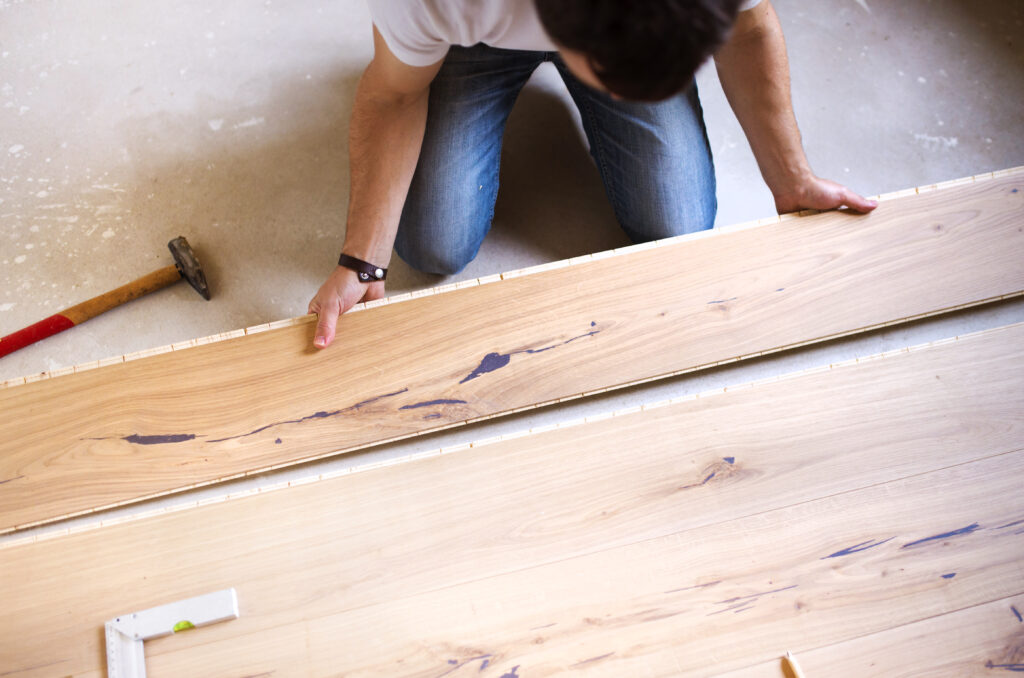
When installing solid timber flooring, the choice of adhesive is crucial for ensuring a durable and permanent installation. Timber is a natural material that reacts to environmental conditions, particularly moisture, which can significantly affect its performance and longevity. This article explores why it is essential to use a robust adhesive in conjunction with an appropriate moisture barrier to protect and secure timber flooring installations, with reference to adhesives such as Sika T 55J and Selleys Timberflex.
How Timber Responds to Moisture

Timber is hygroscopic, meaning it absorbs and releases moisture depending on the surrounding humidity levels. This property can lead to several issues if not properly managed:
– Swelling and Warping: When exposed to high humidity, timber can absorb moisture, causing it to swell and warp. This can result in gaps, buckling, or uneven surfaces, compromising both aesthetics and structural integrity. There have been instances where Australian timbers have swollen as a result of exposure to too much moisture and this in turn has moved brick walls.
– Shrinkage: Conversely, in dry conditions, timber can lose moisture, leading to shrinkage. This may cause gaps between boards and can affect the overall appearance and stability of the floor.
– Mold and Decay: Prolonged exposure to moisture can promote the growth of mold and decay, especially if the timber is not adequately protected. This not only damages the floor but also poses health risks to occupants.
Given these challenges, it is imperative to mitigate moisture effects through the use of a moisture barrier and a high-quality adhesive.
The Role of Moisture Barriers
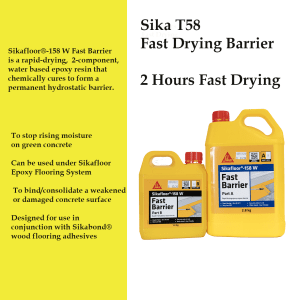
A moisture barrier is a critical component in any timber flooring installation. It acts as a protective layer that prevents moisture from the subfloor or ground from reaching the timber. Key considerations for moisture barriers include:
– Material: Common materials include polyethylene sheets with floating engineered floors, or epoxy membranes which are simply rolled onto the surface of the subfloor and allow to dry prior to installation of the timber floor.
– Installation: The barrier must be installed correctly, ensuring there are no gaps or overlaps that could compromise its effectiveness. It should extend fully across the subfloor area and be securely fastened. In the case of an epoxy moisture barrier which is rolled into place they should be rolled to cover the floor completely and allow to dry to a smooth shiny surface in most instances.
– Compatibility: The barrier should be compatible with the chosen adhesive to ensure a seamless and durable bond between all components.
Choosing the Right Adhesive
Selecting the appropriate adhesive is as important as installing a moisture barrier. The adhesive must bond effectively with the timber and the subfloor while providing resistance to moisture and movement. Here are some key features to look for:
– Moisture Resistance: The adhesive should have excellent resistance to moisture to prevent delamination or weakening of the bond over time.
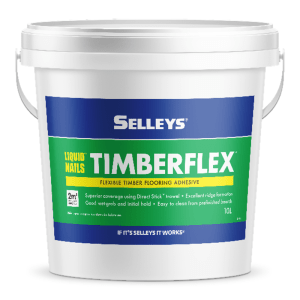
– Flexibility: A flexible adhesive accommodates slight movements in the timber caused by temperature and humidity changes, reducing the risk of cracks or separation.
– Set Time and Cure: The adhesive should have an appropriate set time that allows for proper installation and leveling, followed by a robust cure that ensures long-term stability. The cure time should not be so long that it slows down or impedes work. In most cases curing time is 24 hours which allows for an open time for installing the timber floor but also immediately begins to pull the timber floor into place.
Reference Adhesives: Sika T 55J and Selleys Timberflex
Two leading adhesives that meet these criteria are Sika T 55J and Selleys Timberflex. Both products are designed specifically for timber flooring applications and offer distinct advantages:
Sika T 55J
– Moisture Resistance: Sika T 55J is formulated to provide superior moisture resistance, making it ideal for environments with high humidity levels. It is a polyurethane adhesive and is best in class in terms of strength, one of the best adhesive available in Australia.
– Bond Strength: It offers excellent bond strength, ensuring a secure attachment of timber to the subfloor.
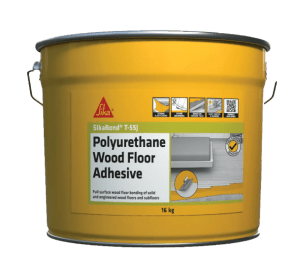
– Flexibility: The adhesive remains flexible after curing, accommodating minor movements without compromising the bond.
– Application: Suitable for both domestic and commercial installations, it can be applied using a trowel or spreader for even distribution.
Selleys Timberflex
– Ease of Use: Selleys Timberflex is known for its ease of application, requiring minimal preparation and handling.
– Environmental Compatibility: It is environmentally friendly, with low VOC emissions, making it a safer choice for indoor installations. Despite its environmental credentials adhesive is very strong and performs very similar to a polyurethane adhesive. In testing at VCS we found that it achieved an excellent bond well within 24 hours and in comparison to other adhesive it‘s strength is remarkable.
– Durability: The adhesive provides long-lasting durability, resisting wear and tear over time.
– Versatility: Suitable for various timber types and subfloor materials, it offers flexibility in different installation scenarios.
Conclusion
The success of a solid timber flooring installation hinges on the effective management of moisture and the use of a high-quality adhesive. By combining a reliable moisture barrier with an adhesive such as Sika T 55J or Selleys Timberflex, installers can ensure that the timber remains stable, attractive, and durable for years to come. Proper planning and execution of these elements are essential for achieving a permanent and flawless timber floor that meets both functional and aesthetic requirements.
It should be noted that both Selly’s and Sika provide an effective moisture barrier epoxy coating so that you are working within a system when you use these products. It’s always important to use the right brand of moisture barrier and adhesive when installing any timber floor.
For any timber flooring project, always consult with professionals and follow manufacturer guidelines to ensure the best possible outcome.

