

At VCS we’ve spent a lot of time helping people renovate their own home, working specifically on timber floors. Renovating your home can be a very interesting journey and is a wonderful way to add new life into your important spaces, trying to create a space that feels truly your own. Whether you’re looking to boost the value of your home for the future or simply establish an environment that you enjoy coming home to, the process is very much about the story of your home and about the final result.
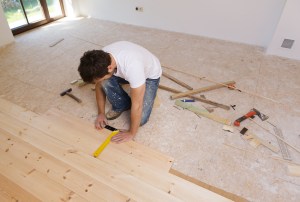
Here are a few simple ideas to get you started.
For example, consider first of all the character of the home. You might have existing timber floors and these might be based on a specific colour. In West Australia many homes have either Jarrah flooring or West Australian blackbutt flooring and in more recent times Eastern States blackbutt flooring. These establish a certain character.
Before quickly deciding to change the colour by adding a stain or bleaching the Jarrah as some people do to lighten the look, why not step back and take a look at the actual way that the colour of the flooring enhances the home already. It’s easy to want to rush in and make lots of big changes but with some thought you might save yourself a lot of time and money making changes and simply restore the surface of your timber to enhance its natural beauty.
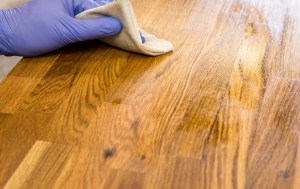
Some people, for example, have found that their Jarrah looks very orangey and they don’t like the look. When they sand the finish off the floor they find that the solvent-based finish is what has added that orange look. Old-fashioned solvent-based finishes turn yellow as they age and introduce the orangey tone. Yellow over red equals orange.
When the finish is sanded off and a more modern waterborne finish or Osmo Oil finish is added to the floor, the floor reveals its natural grain and beauty.
The aging effect of older finishes
Most people don’t understand how old-style finishes change the colour of a floor. For example, you might get a very blonde looking floor such as Tasmanian oak or Blackbutt and it looks very orange and sometimes even takes on a reddish tone because of the nature of the older style finishes. Older style finishes are made from products that naturally age into an amber or yellow appearance.
More modern finishes are designed to maintain the natural timber colour, to reveal the overall look of the grain and texture of the timber. Some are more natural than others and so it’s good to have a look at the way these different finishes interact with timber. The same principle can be applied to kitchen cabinets and finishes used on virtually all timber surfaces.
Questions to Consider
Some finishes age in a much more obvious way than others. For example, hard polyurethane surfaces age with scratching and pitting to the surface. The moment that etching, scratching and pitting start to occur in a polyurethane surface, and it always will occur, so it’s important to know that that is what happens, then the aging process begins. The old approach to this was that you lived with a surface that looked worn out and old for a period of time until suddenly you get back and re-coating.
With finishes such as Osmo Hardwax Oil, for example, you don’t have to live with a worn out looking surface for any length of time. Simply clean and apply an extra coat without needing to do all the sanding remediation work associated with polyurethane.
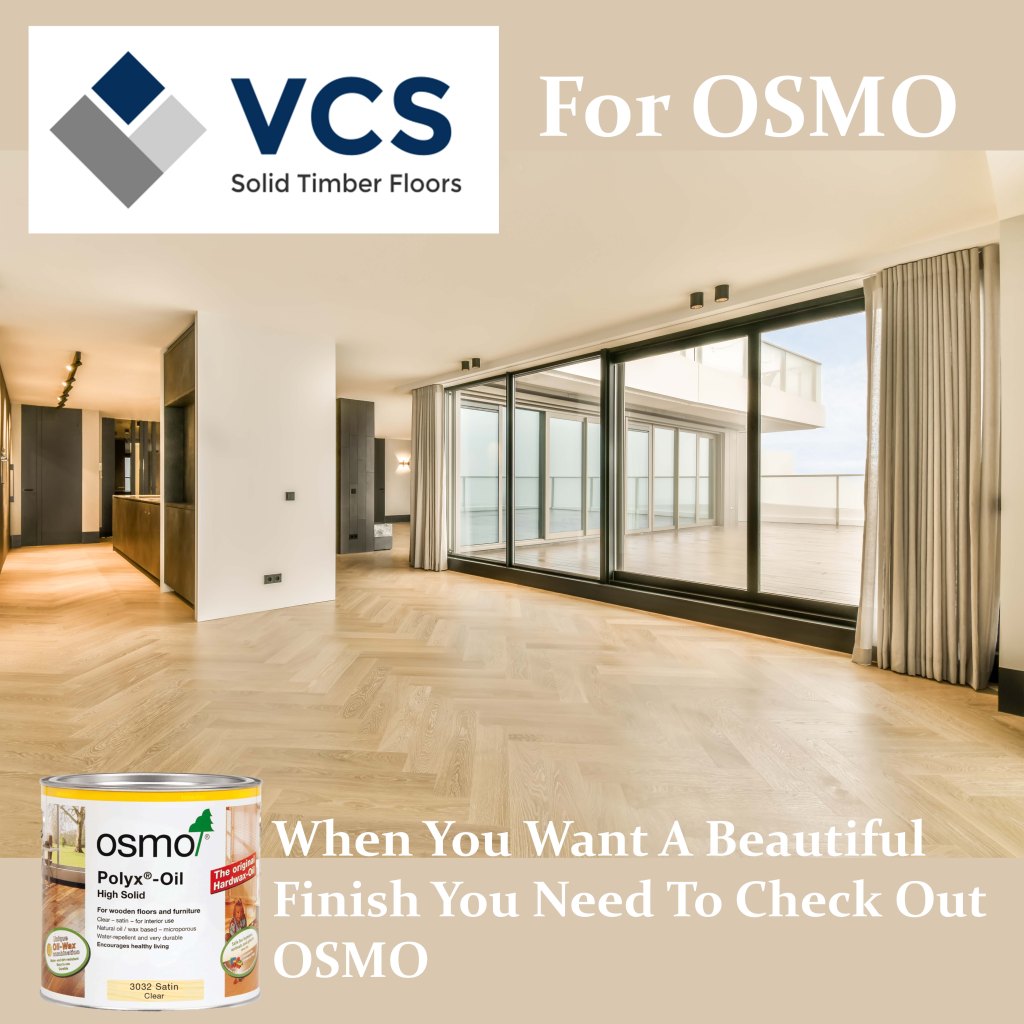
It’s good to ask questions about the way finishes age, so the question when using finishes is firstly how would it look when it’s finished, but the second question to always ask is, is there a maintenance program and do I have to live with something that’s worn out for a period of time and then do a full re-sand or can I simply maintain the surface to a high standard easily and simply myself? Important questions to consider.

